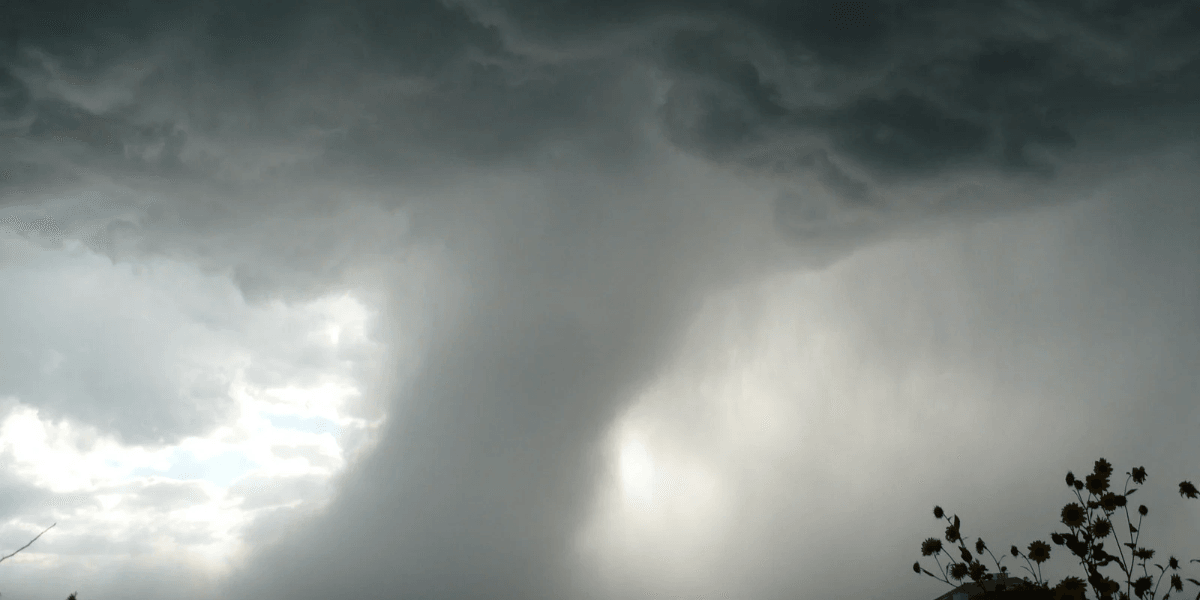
Thanksgiving Travel Surge Faces Major Weather Disruptions Across the United States
Thanksgiving travel faces major weather disruptions across the United States, as storms, heavy rain, strong winds, and flooding threaten holiday journeys.


Millions of Americans preparing to travel for Thanksgiving are facing a challenging holiday week as powerful storm systems threaten transportation across several parts of the United States. On November 24, 2026, weather forecasts warned of heavy rainfall, strong winds, mountain snowfall, and possible coastal flooding that could affect road conditions and airline operations during one of the country's busiest travel periods.
The developing weather situation comes as families and friends prepare to gather for Thanksgiving on November 26. With travelers heading to destinations across the country, the combination of high transportation demand and unfavorable weather conditions has become a significant concern for airlines, transportation authorities, and holiday travelers.
According to the National Oceanic and Atmospheric Administration (NOAA), a major coastal storm is expected to affect the eastern United States, while another Pacific weather system is bringing rain and mountain snow to parts of the West. The forecasts highlight the importance of monitoring local weather conditions and allowing additional time for holiday journeys.
A Major Storm Threatens Thanksgiving Travel
The most significant weather concern is developing along the Eastern Seaboard, where a powerful storm system is expected to bring periods of heavy rain and strong winds from the Southeast toward the Mid-Atlantic and Northeast.
Forecasts indicate that rainfall could become particularly intense in some locations, with rates potentially reaching one inch per hour. Wind gusts could exceed 50 miles per hour, creating challenging conditions for motorists and potentially affecting airline schedules.
States and regions expected to experience impacts include Florida, Georgia, the Carolinas, Virginia, and areas farther north along the Atlantic coast.
According to weather forecasts published on November 24, the system is expected to move northward through Thanksgiving Day, bringing additional rainfall and strong winds to parts of the Northeast and New England.
The Pacific Northwest is also preparing for unsettled conditions, with rain expected in Washington and Oregon and snowfall possible in higher elevations.
These weather developments could affect travelers using major highways, regional airports, and coastal transportation routes during the holiday period.
Millions of Americans Prepare to Travel
The timing of the storms is particularly important because Thanksgiving traditionally generates substantial transportation demand across the country.
The American Automobile Association (AAA) projected that approximately 81.5 million Americans would travel at least 50 miles from home between November 24 and November 30, 2026.
The estimate includes domestic travel by road, air, and other transportation methods. Although slightly below the previous year's projection of 81.6 million, the figure demonstrates the scale of the annual Thanksgiving travel period.
Air transportation is also expected to experience unusually high demand.
The Federal Aviation Administration (FAA) forecast more than 417,000 flights during a nine-day Thanksgiving travel period, describing the expected activity as the busiest holiday skies in 16 years. November 24 was identified as the busiest day, with approximately 52,000 flights scheduled.
The combination of high passenger numbers and developing storms could make airport operations more difficult, particularly in regions experiencing heavy rain and strong winds.
Coastal Flooding Adds Another Travel Concern
In addition to rainfall and wind, coastal communities are preparing for possible flooding as several environmental conditions occur together.
Forecasters have warned that onshore winds, unusually high seasonal tides, and the November full moon could contribute to elevated coastal water levels. Areas from Georgia and the Carolinas toward Long Island face the possibility of moderate to major coastal flooding.
These conditions may affect waterfront roads, low-lying neighborhoods, and transportation infrastructure near the coast.
Coastal flooding can create additional difficulties for drivers, particularly when water covers roadways or affects access to bridges and other important routes. Travelers visiting coastal destinations may also encounter temporary restrictions or changes to local transportation services.
The National Weather Service has been monitoring the developing system and providing forecasts to help communities prepare for potential impacts.
For travelers, the situation emphasizes the importance of checking weather alerts and road conditions before leaving, particularly when traveling through coastal areas.
What Travelers Should Expect at Airports
Air travel is another major concern as airlines prepare for increased passenger volumes during the holiday period.
Strong winds and heavy rainfall can affect aircraft operations, potentially leading to delays, cancellations, and changes to departure schedules. Airports serving major metropolitan areas along the Eastern Seaboard may experience disruptions as the storm progresses.
Weather forecasts have identified potential impacts around major travel hubs, including Atlanta, Washington, Charlotte, and airports throughout the Northeast.
The FAA's holiday forecast indicates that Tuesday, November 24, is expected to be the busiest day for scheduled flights. This means that even relatively localized disruptions could affect passengers traveling through interconnected airport networks.
Travelers with connecting flights may face additional challenges if weather conditions affect their initial departure or subsequent connections.
Checking airline notifications, reviewing flight status updates, and allowing additional time at airports are practical measures during periods of uncertain weather.
Practical Considerations for Thanksgiving Travelers
The developing weather conditions offer several important reminders for people planning holiday journeys.
First, travelers should monitor official weather forecasts before departure. Conditions can change quickly, especially when multiple storm systems affect different regions.
Drivers should also consider checking highway conditions and potential flooding along their planned routes. Heavy rainfall can reduce visibility, increase stopping distances, and create hazardous driving conditions.
For those traveling by air, checking directly with airlines for schedule updates can help reduce uncertainty. Passengers should also review their booking details and understand the available procedures for managing delays or cancellations.
Travelers visiting coastal destinations may benefit from checking local advisories before planning outdoor activities or waterfront visits.
Importantly, travelers should avoid driving through flooded roads and follow instructions issued by local emergency authorities.
A Holiday Week Highlighting the Importance of Travel Preparation
The November 24 weather developments demonstrate how environmental conditions can influence transportation during major national holidays.
Thanksgiving remains an important occasion for family gatherings, celebrations, and domestic tourism. However, the expected movement of millions of people across the country makes transportation planning particularly important.
The combination of high flight volumes, busy highways, coastal flooding risks, and developing storms creates a complicated travel environment for the 2026 holiday season.
For transportation authorities and airlines, the immediate priority is maintaining safe operations while responding to changing conditions. For travelers, staying informed and allowing flexibility in their schedules may help reduce unnecessary complications.
Although weather conditions vary considerably by region, the forecasts serve as a reminder that preparation is an essential part of holiday travel.
As Thanksgiving approaches on November 26, Americans are being encouraged to remain attentive to official weather updates and transportation information. With millions of journeys taking place over a relatively short period, informed decisions and careful planning will be especially important throughout the holiday week.

Womens Magazine Contributor
Cecily Granger
Covers culture and the conversations shaping women's lives, from the screen and the page to the arguments worth having.
This article features partner, contributor, or branded content from a third party. Members of the Womens Magazine editorial staff were not involved in the creation of this content. All views and opinions are those of the contributor alone.