
Thanksgiving Storm Disrupts US Holiday Celebrations
Severe Thanksgiving weather disrupted travel, caused power outages, and postponed a historic New York City holiday parade.

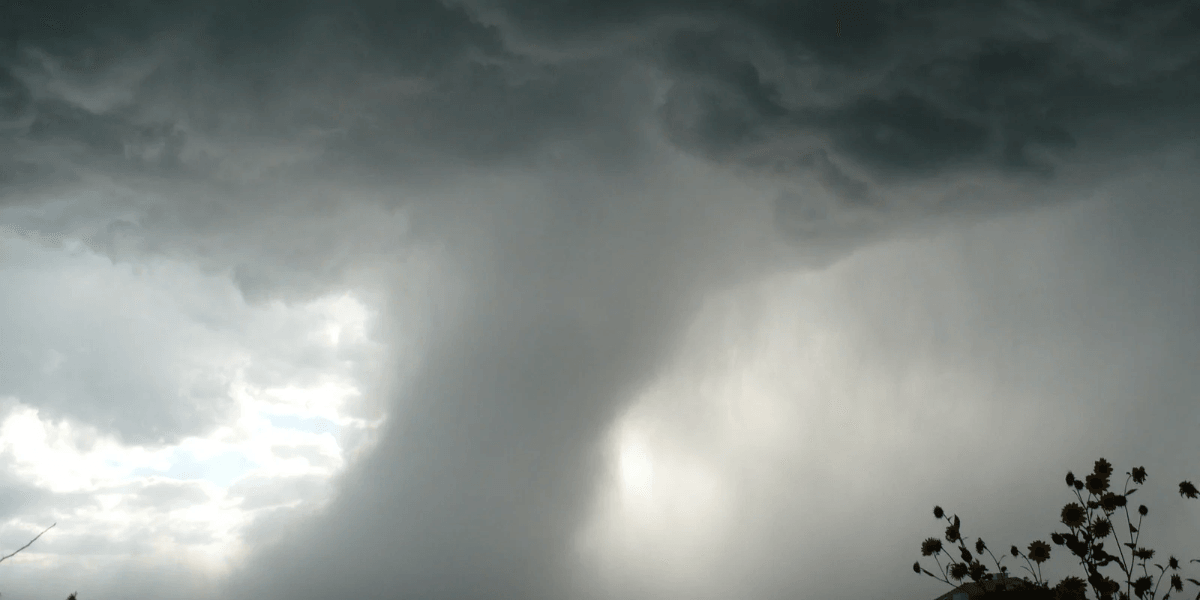
Thanksgiving is traditionally one of the busiest and most anticipated holidays in the United States. Families travel across state lines, airports welcome millions of passengers, and major cities prepare for celebrations that have become part of American culture. However, November 26, 2026, brought an unexpected challenge as powerful storms disrupted holiday plans across several regions of the country.
Heavy rainfall, damaging winds, coastal flooding, and winter weather affected communities from the East Coast to the Midwest and parts of the West Coast. The severe conditions created transportation difficulties, caused widespread electricity outages, and forced organizers to postpone one of the country's most recognizable holiday traditions: the 100th Macy’s Thanksgiving Day Parade in New York City.
The disruptions demonstrated how quickly extreme weather can change the course of even the most carefully planned national celebrations.
Severe Weather Creates Widespread Travel Disruptions
The storm's effects were particularly significant along the eastern United States, where heavy rain and powerful wind gusts created hazardous travel conditions.
New Jersey and parts of New York faced serious weather concerns, with emergency declarations issued as conditions deteriorated. Floodwaters covered roads, stranded motorists, and disrupted transportation infrastructure. The Chesapeake Bay Bridge Tunnel and North Carolina's Highway 12 were among the affected routes.
Power outages added another layer of difficulty for residents preparing to celebrate Thanksgiving. More than 500,000 homes and businesses reportedly lost electricity during the storm. In some communities, flooding and strong winds also raised concerns about fallen trees, damaged infrastructure, and access to essential services.
The weather also affected the Midwest. Winter storm warnings covered portions of Missouri and Illinois, where substantial snowfall threatened to complicate road travel. Meanwhile, coastal communities along the Pacific faced unusually high tides and large waves, prompting additional flood warnings.
These developments highlighted the geographical reach of the weather system and the challenges facing communities during a major holiday period.
Macy’s 100th Thanksgiving Parade Postponed
One of the most notable consequences of the storm was the postponement of the Macy’s Thanksgiving Day Parade, which was scheduled to celebrate its 100th anniversary in 2026.
The parade is an important part of New York City's holiday culture. Its giant character balloons, elaborate floats, marching bands, and live performances attract millions of viewers every year. The event also draws large crowds to Manhattan, making weather conditions an essential consideration for organizers.
After consulting with city officials and public safety agencies, Macy’s announced that the celebration would move from Thursday, November 26, to Saturday, November 28, at 8:30 a.m. Eastern Time.
The decision marked an extraordinary moment in the parade's history. Although the event was suspended between 1942 and 1944 during World War II, organizers had not previously postponed it to another date because of weather.
The change reflected concerns about the safety of spectators, performers, volunteers, and staff. Strong winds can create serious risks when large balloons are part of an outdoor event, particularly in crowded urban environments.
New York City officials supported the schedule change, emphasizing that public safety should take priority over maintaining the original holiday timetable.
The postponement also affected television programming, with NBC adjusting its coverage to accommodate the rescheduled celebration. The additional time allowed organizers to prepare for the centennial event under improved weather conditions.
What Weather Officials Had Warned About
The disruptions were not entirely unexpected. The National Weather Service had issued forecasts warning of a powerful coastal storm approaching the eastern United States.
Its Weather Prediction Center identified the potential for heavy rainfall across portions of the Mid Atlantic, alongside significant snowfall in parts of the Midwest and northern Rocky Mountain region.
Forecasts also highlighted the possibility of coastal flooding, beach erosion, and strong wind gusts. These conditions created particular concerns for low lying neighborhoods, waterfront communities, and transportation routes exposed to the weather.
Weather officials had also warned that wind gusts could reach between 50 and 70 miles per hour in affected areas. Coastal flood warnings and advisories added to concerns for residents and travelers.
These warnings demonstrate the importance of weather forecasting during major public holidays. Advance information gives local authorities, transportation providers, event organizers, and residents an opportunity to make decisions before conditions become dangerous.
The Impact on Families and Holiday Travelers
Beyond the postponed parade, the storm created practical challenges for families and individuals traveling for Thanksgiving.
Airports experienced delays and cancellations as strong winds, heavy rain, and poor visibility affected flight operations. Reports indicated that approximately 1,000 flights were delayed and 400 canceled by late Thursday morning. These disruptions followed an already difficult travel period on Wednesday.
Road travelers also faced changing conditions, particularly in areas affected by flooding, snow, and fallen trees. For families planning holiday visits, even relatively short journeys became more complicated.
The situation highlighted the importance of checking transportation updates before leaving home. Travelers with connecting flights, hotel reservations, or scheduled family gatherings faced additional uncertainty as conditions changed.
For many households, the weather required flexibility and adjustments to carefully arranged holiday plans.
Important Lessons From the Thanksgiving Storm
The events of November 26 offer several important takeaways for American communities.
First, personal safety must remain a priority during severe weather. The decision to postpone a nationally recognized celebration demonstrated that even longstanding traditions must adapt when conditions present significant risks.
Second, preparation matters. Monitoring official weather forecasts, checking road conditions, and confirming flight schedules can help families make informed decisions during periods of severe weather.
Third, communities need reliable communication. Timely announcements from public agencies, event organizers, and transportation providers help residents understand changing conditions and adjust their plans.
Finally, the storm highlighted the importance of community resilience. Emergency personnel, utility workers, transportation teams, and local authorities play essential roles in responding to weather related disruptions, particularly during holidays when many people are away from home.
A Holiday Reminder About Safety and Preparedness
Thanksgiving 2026 will be remembered not only for its family gatherings and annual traditions but also for the severe weather that disrupted celebrations across the United States.
The postponement of the Macy’s Thanksgiving Day Parade was especially significant because it affected a milestone event celebrating a century of holiday entertainment. However, the decision also demonstrated the importance of protecting participants and spectators when dangerous weather threatens a major public gathering.
For families, travelers, and communities, the day's events offered a practical reminder: celebrations may change, schedules may shift, and plans may require adjustment, but preparation and safety remain essential.
As communities continued responding to the storm, the rescheduled parade offered an opportunity to preserve an important American tradition while allowing organizers to prioritize public well being.

Womens Magazine Contributor
Cecily Granger
Covers culture and the conversations shaping women's lives, from the screen and the page to the arguments worth having.
This article features partner, contributor, or branded content from a third party. Members of the Womens Magazine editorial staff were not involved in the creation of this content. All views and opinions are those of the contributor alone.