Rare Devils Hole Pupfish Population Shows Remarkable Recovery
An encouraging wildlife recovery in Death Valley highlights the importance of conservation, scientific research, and protecting fragile natural habitats.

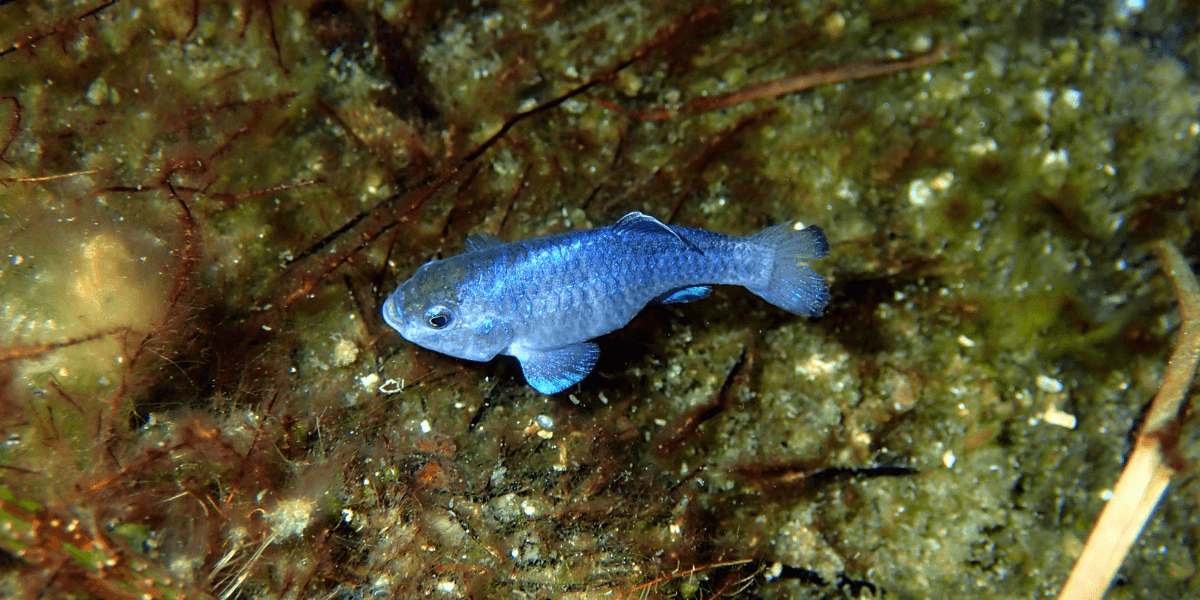
A tiny fish living in one of America's most unusual natural environments is attracting renewed attention after scientists recorded a significant increase in its population. The Devils Hole pupfish, one of the world's rarest fish species, has more than doubled in number over the past year. The latest discovery offers encouraging news for wildlife conservation and highlights the importance of protecting fragile ecosystems. Reported on November 10, 2026, the recovery has drawn attention to the work of scientists and conservation teams in Death Valley National Park.
The National Park Service recorded 137 Devils Hole pupfish during an October 10 population survey. This represents a considerable improvement from the 77 fish counted in spring 2026 and the 69 recorded in fall 2025. Even more significantly, the latest count follows a dramatic decline that brought the population down to just 20 fish in March 2025. For conservation experts, the increase represents an important development in efforts to protect a species with an exceptionally limited natural habitat.
A Rare Species With An Extraordinary Habitat
The Devils Hole pupfish lives exclusively in Devils Hole, a water filled cavern within Death Valley National Park in Nevada. Unlike many fish species that inhabit rivers, lakes, and oceans, this small blue fish survives in a remarkably isolated environment.
Its natural habitat features warm water, limited oxygen, and relatively few nutrients. The fish depend largely on microscopic algae growing on a shallow limestone shelf inside the cavern. This small area provides essential feeding and spawning grounds.
The species measures less than an inch in length on average. Despite its small size, it has become an important subject of scientific research because of its unusual adaptation to an isolated environment.
The pupfish has lived in this region for thousands of years, adapting to changing environmental conditions as the surrounding landscape became increasingly dry. Its isolation has also made the population particularly vulnerable to disturbances that might have little effect on more widespread species.
How The Population Reached A Critical Point
The recent recovery becomes more significant when viewed against the challenges the species faced in 2025.
Two earthquakes, one in December 2024 and another in February 2025, generated powerful waves inside Devils Hole. The movement of water disrupted the shallow limestone shelf, removing algae and fish eggs from the area.
Because the pupfish depend on this shelf for food and reproduction, the disturbance had serious consequences. The population fell to just 20 fish in March 2025, creating considerable concern among wildlife specialists.
The situation demonstrated how environmental changes can affect even a protected species living in a relatively small habitat. Unlike animals with access to larger territories, the Devils Hole pupfish has very limited opportunities to relocate when conditions become unfavorable.
The Conservation Work Behind The Recovery
The improvement did not happen by chance. It followed coordinated conservation efforts involving the National Park Service, the U.S. Fish and Wildlife Service, and other wildlife specialists.
Between March 2025 and February 2026, conservation teams released 72 captive raised pupfish into Devils Hole. These fish came from a carefully maintained backup population at the Ash Meadows Fish Conservation Facility.
Scientists also provided supplemental feeding while the natural algae supply recovered. This helped support the fish during a difficult period when their primary food source had been disrupted.
Another encouraging finding came from the October survey. Because Devils Hole pupfish generally live for only 10 to 14 months, scientists believe most of the 137 fish counted during the latest survey were born and raised in their natural habitat.
That detail matters because it suggests that the population is not simply benefiting from the introduction of captive raised fish. Natural reproduction is also contributing to its recovery.
Why This Discovery Matters Beyond Death Valley
The recovery offers a valuable reminder that wildlife conservation requires patience, scientific knowledge, and consistent attention.
Endangered species often face several challenges at once. Habitat disruption, limited food supplies, environmental changes, and small population sizes can make recovery particularly difficult.
The Devils Hole pupfish demonstrates why long term monitoring is essential. Wildlife biologists have counted the species during regular spring and fall surveys since 1972. These records allow researchers to compare population changes and understand how environmental conditions affect the fish.
The latest results also highlight the importance of cooperation between conservation organizations. Protecting a species with such a restricted habitat requires more than occasional intervention. It depends on research, careful habitat management, and continued investment in conservation facilities.
Although the population has improved, scientists have emphasized that the species remains vulnerable. Natural population fluctuations and earthquake activity continue to present challenges.
A Different Perspective On Visiting America's Natural Landscapes
Death Valley National Park is widely recognized for its dramatic desert scenery, unusual geological formations, and extreme temperatures. The Devils Hole pupfish adds another dimension to the area's natural significance.
For travelers interested in nature, the story offers an opportunity to appreciate the ecological importance of protected landscapes. National parks are not simply destinations for sightseeing. They also serve as important places for scientific research and wildlife preservation.
Visitors should remember that Devils Hole is a sensitive habitat. Respecting designated viewing areas, following park regulations, and avoiding disturbance to wildlife are important parts of responsible travel.
The pupfish's recovery also demonstrates that even the smallest species can have an extraordinary conservation story. Its survival depends on an environment that might appear unremarkable at first glance, yet supports an entire population found nowhere else in the world.
A Small Fish With A Meaningful Conservation Story
The increase to 137 Devils Hole pupfish is an encouraging milestone, but it does not mean the conservation challenge is over. Continued monitoring, habitat protection, and scientific research will remain essential to the species' future.
For the scientists working to protect it, every successful survey provides valuable information. For nature enthusiasts, the recovery offers a reminder of what sustained conservation efforts can achieve.
The Devils Hole pupfish may be less than an inch long, but its story carries an important message. Protecting biodiversity begins with understanding the needs of individual species and preserving the environments they depend on. In Death Valley, the latest population count offers a hopeful reason to continue that work.

Womens Magazine Contributor
Cecily Granger
Covers culture and the conversations shaping women's lives, from the screen and the page to the arguments worth having.
This article features partner, contributor, or branded content from a third party. Members of the Womens Magazine editorial staff were not involved in the creation of this content. All views and opinions are those of the contributor alone.