Eco-Friendly Fashion Brands Revamp Industry Standards
Fashion is transforming as sustainable brands rise, emphasizing eco-materials and ethical practices while reshaping consumer perceptions.

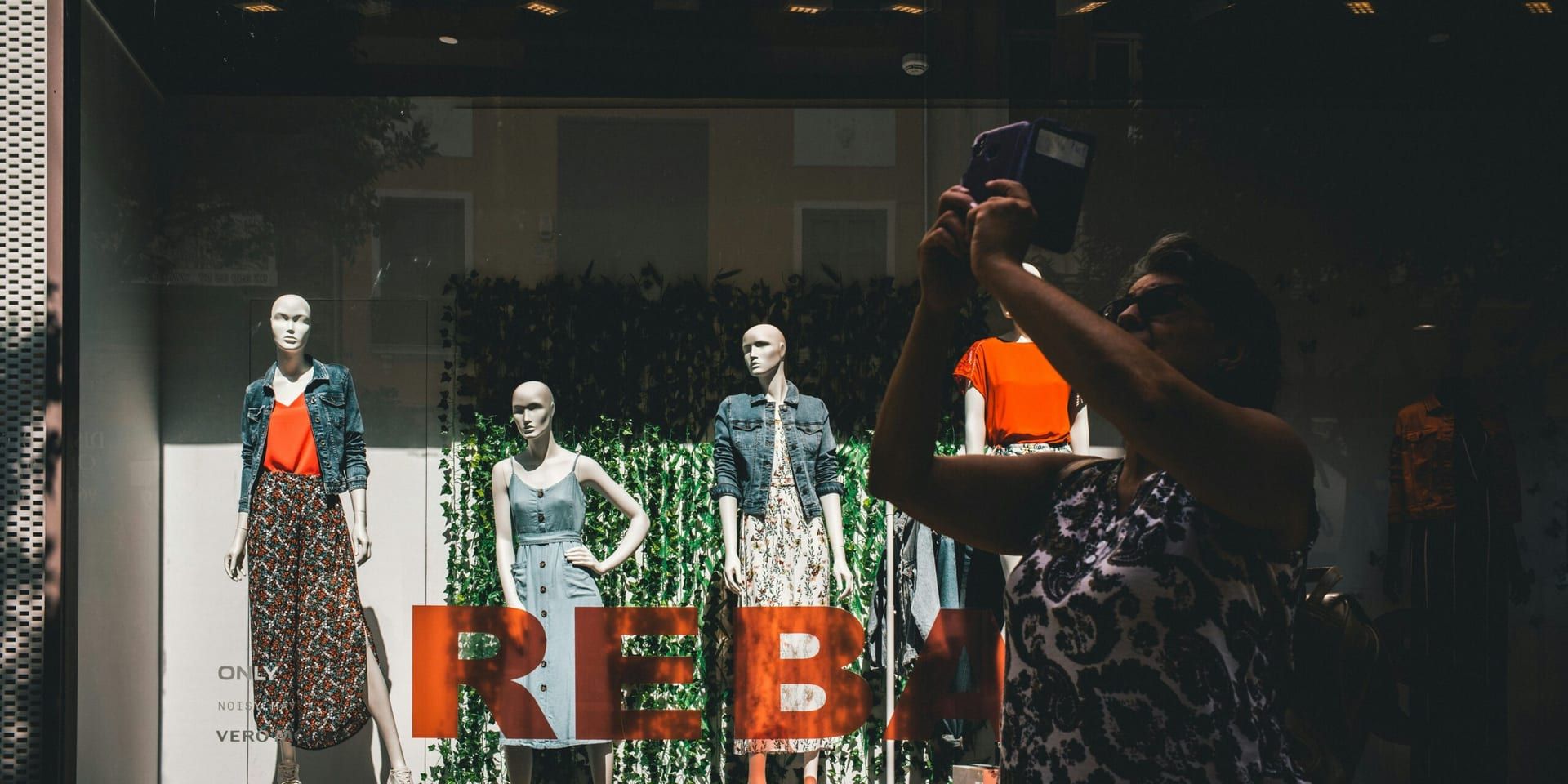
The fashion world is undergoing a transformative shift as sustainability becomes a cornerstone of production and consumption. With increasing public awareness of environmental impacts, brands are now more committed than ever to sustainable practices that influence the entire fashion ecosystem. This change marks a departure from the longstanding association with fast fashion.
Environmental consciousness and social responsibility have become driving forces behind how fashion brands operate. The demand for transparency and eco-friendly materials is reshaping consumer behavior, encouraging an industry-wide move towards sustainability.
Consumer Awareness and Environmental Impact
As awareness grows about the fashion industry's environmental toll, consumers are demanding more from the brands they support. Known for being a significant polluter, the industry has faced mounting pressure to reduce waste, lower water usage, and curtail greenhouse gas emissions. This shift in consumer expectations is prompting brands to embrace sustainability at every level of their operations.
Shoppers now seek transparency regarding how their clothes are made—from raw material sourcing to production labor. Brands are compelled to align with these values to meet consumer demands for ethical and sustainable practices.
Embracing Ethical and Eco-Friendly Materials
The sustainable fashion movement prioritizes eco-friendly materials. Designers increasingly turn to organic cotton, hemp, and recycled polyester, alongside innovative solutions like bio-fabricated and plant-based materials. These alternatives not only require fewer resources but are often biodegradable or recyclable, reducing landfill waste.
Brands utilizing these materials offer consumers an ethical alternative to traditional fast fashion, which often prioritizes cost over sustainability.
The Rise of Circular Fashion
A significant trend within sustainable fashion is circular fashion, which emphasizes reusing, recycling, and repurposing garments. This approach challenges the conventional "take-make-dispose" model by focusing on durable designs intended to last.
Initiatives such as take-back programs enable consumers to return used clothing for recycling, fundamentally altering the landscape of fashion consumption by promoting longevity over disposability.
Technology and Investment in Sustainable Trends
Digital platforms and technology play pivotal roles in the sustainable fashion narrative. Apps and websites help consumers make informed choices by offering insights into sustainability certifications and hosting second-hand marketplaces.
Social media influencers and eco-conscious celebrities further amplify this message, encouraging broader adoption of sustainable practices. Meanwhile, increased investment from venture capitalists supports the growth of eco-friendly brands, allowing them to expand and diversify their offerings.
The progression towards sustainable fashion marks a pivotal moment for the industry, requiring vigilance from consumers to combat challenges like greenwashing. Despite remaining hurdles, the stage is set for a future where style and sustainability harmoniously coexist, offering conscientious consumers an array of options that marry fashion with eco-conscious values.

Womens Magazine Contributor
Rosa Lindholm
Covers fashion and beauty, following the designers, the labels and the products that earn their place.
This article features partner, contributor, or branded content from a third party. Members of the Womens Magazine editorial staff were not involved in the creation of this content. All views and opinions are those of the contributor alone.