Thong Bikinis: A Statement of Body Positivity or Fashion Fad?
The resurgence of thong bikinis ignites debate on body confidence, social norms, and global swimwear policies, signaling shifts in fashion perceptions.

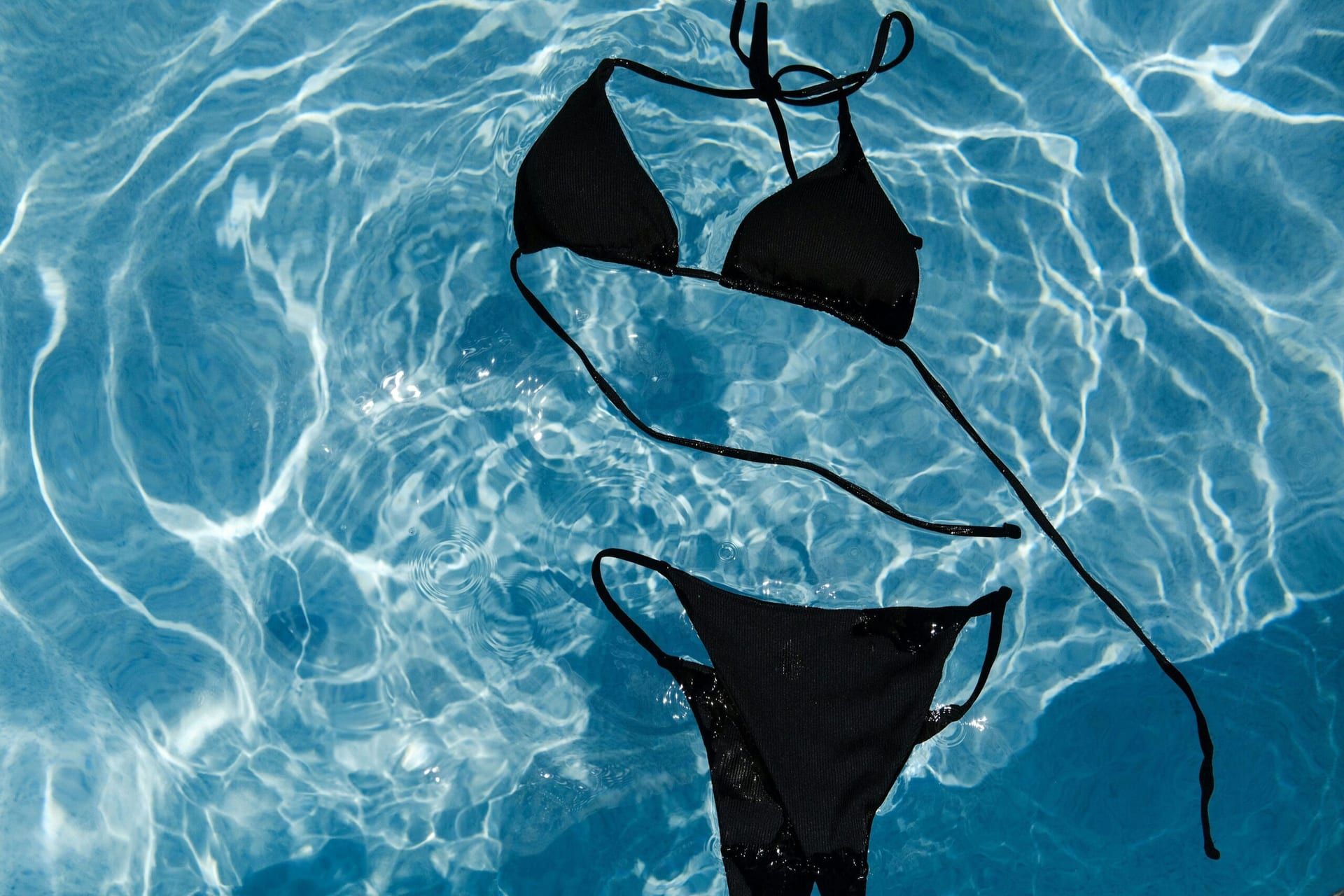
The reemergence of thong bikinis in fashion circles has sparked widespread debate on body confidence and societal norms. This swimwear style, once controversial, is now celebrated in some parts of the world, while still facing restrictions in others.
Amidst this renewed interest, a Greater Sydney council's decision to prohibit thong bikinis at public pools has amplified discussions around swimwear regulations and body policing.
Regulating Swimwear: A Global Debate
The swimwear policy of Blue Mountains leisure centers, which limits "skimpy" attire, has drawn public attention to the contrasting views on acceptable swimwear. The decision followed feedback from pool patrons concerned about the appropriateness of certain swim attire.
This regulation seems at odds with a broader acceptance of thong bikinis, which are becoming more popular globally. Influencers like Bella Hadid and Lizzo have embraced them, reflecting a cultural shift towards body positivity and self-expression.
Thong Bikinis: A Cultural Shift
The popularity of thong bikinis symbolizes more than a fashion trend; it reveals evolving attitudes toward body image and self-empowerment. Heather Radke, in her book Butts: A Backstory, discusses how society's perceptions of the backside have shifted from a source of shame to one of empowerment.
The rise of body positivity encourages women to proudly display their bodies, regardless of shape or size. Furthermore, practical reasons like reducing tan lines also contribute to the trend's appeal, as seen in countries like Brazil, where thong bikinis are a staple.
The Fashion Industry's Role
The fashion industry has played a crucial role in the popularity of thong bikinis. Retailers like Away That Day and Pretty Little Thing promote them as both playful and empowering, while also offering options like Brazilian-cut bottoms that appeal to a broad audience.
Even in intimate apparel, there's a noticeable increase in thong sales. Chains such as Marks & Spencer report rising demand for minimalistic designs, indicating a wider trend in fashion preferences.
Despite this, not everyone sees the trend as liberating. Critics like Radke point out that societal pressures to meet beauty standards persist, even as more diverse body types gain acceptance.
Global Perspectives on Swimwear Norms
Internationally, views on thong bikinis vary significantly. While some places like Myrtle Beach outright ban them, others like France impose different swimwear restrictions, such as prohibiting burkinis in public pools.
These regulations highlight the tension between personal freedom and societal expectations. Diverse approaches to swimwear reflect deeper cultural attitudes, sparking questions about whether this trend truly signifies empowerment or is just a fleeting fashion choice.
Ultimately, the conversation around thong bikinis underscores the complex interplay between fashion, body image, and individual autonomy. As women navigate these dynamics, the thong bikini reflects both the progress made in embracing diverse bodies and the ongoing challenges of societal conformity.

Womens Magazine Contributor
Rosa Lindholm
Covers fashion and beauty, following the designers, the labels and the products that earn their place.
This article features partner, contributor, or branded content from a third party. Members of the Womens Magazine editorial staff were not involved in the creation of this content. All views and opinions are those of the contributor alone.