Women Entrepreneurs Drive Sustainable Fashion Revolution
Female entrepreneurs are at the forefront of the sustainable fashion industry, promoting eco-friendly practices and ethical consumerism.

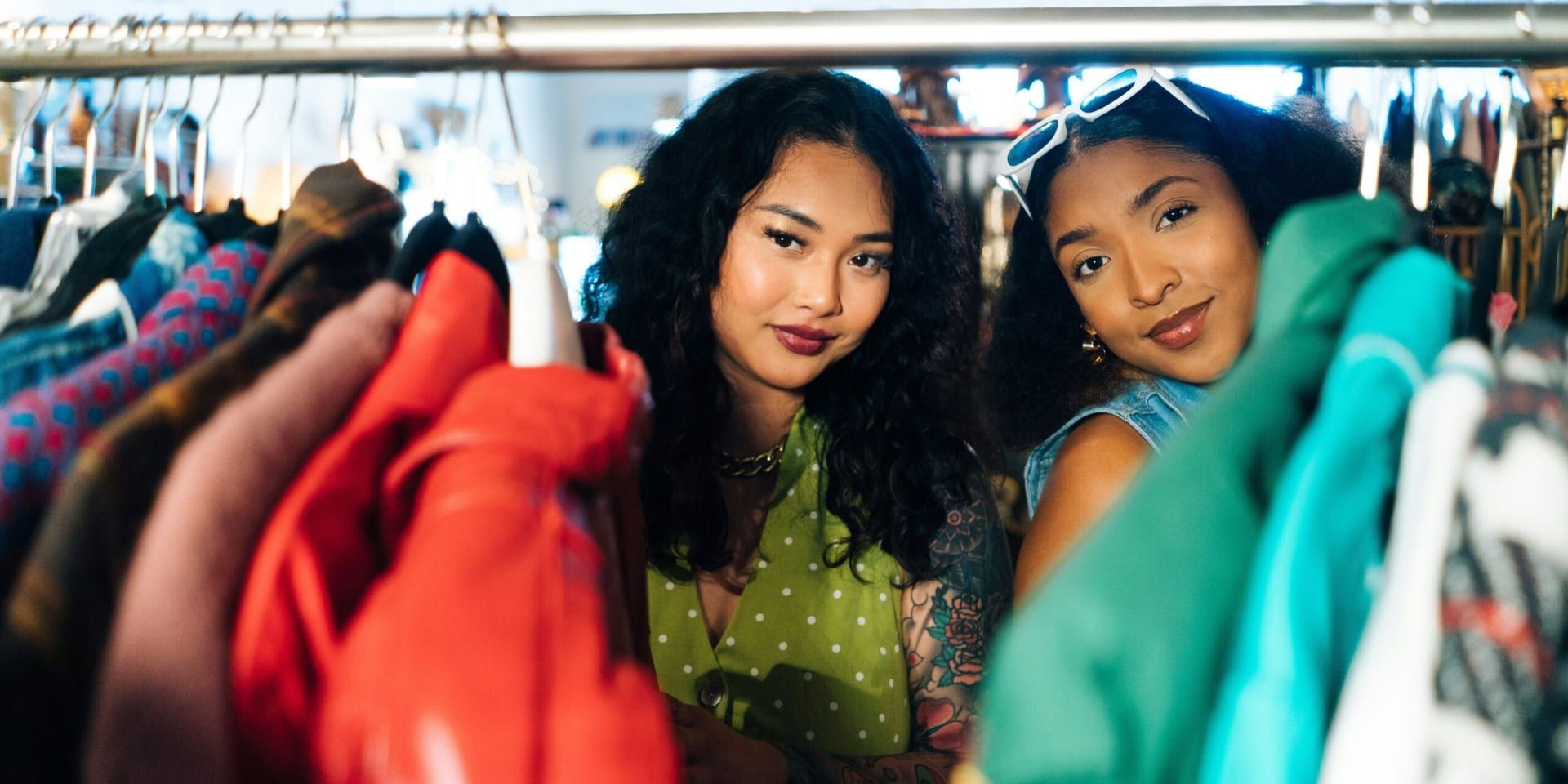
Eco-friendly fashion has transformed from a niche trend into a thriving industry, prominently led by women across the United States. These innovators are not only crafting environmentally conscious collections but are also fostering economic empowerment and advocating for ethical consumerism.
With a focus on sustainable resources and circular business models, female entrepreneurs are reshaping the fashion landscape by integrating social responsibility into their business practices.
Women Pioneering Eco-Friendly Innovations
The fashion sector has long been criticized for its vast environmental impact and unsustainable labor practices. However, women entrepreneurs are now at the helm of reinventing this narrative. They are establishing brands that blend style and social accountability, introducing innovative methods to cut waste and enhance transparency in supply chains.
One such pioneer is Maya Collins, the founder of Aurora Greenwear in New York. Her brand thrives on using organic cotton and recycled materials, and it has quickly made a name for itself with chic, robust designs. Collins asserts that, "Sustainability isn’t just about the planet — it’s about people, especially women," emphasizing the empowerment of women within various roles in her company.
Embracing Circular and Ethical Practices
Emerging sustainable brands often adopt circular economy principles, crafting products intended for reuse, repair, or recycling. This approach aims to significantly reduce the massive amount of clothing dumped in landfills each year.
ReLoop Apparel, led by Jenna Rodriguez in Portland, Oregon, exemplifies this model with its take-back programs that reward customers for returning used garments. Rodriguez aims to foster a community that appreciates sustainability and quality over disposable fashion.
Fair trade practices also underpin many of these brands, ensuring that workers, predominantly women, receive fair wages and work under safe conditions, further promoting economic empowerment.
Economic Impact and Local Empowerment
Women entrepreneurs in sustainable fashion are not only achieving business success but also contributing significantly to the economy. According to a report by the U.S. Small Business Administration, women-owned businesses now account for a substantial portion of the fashion industry, with sustainable brands outpacing conventional growth rates.
In cities like Los Angeles, a hub for eco-conscious startups, these businesses are vital in creating jobs and implementing inclusive hiring practices. Sarah Kim, founder of Verde Threads, highlights the broader vision: “We’re not just selling clothes; we’re building ecosystems where women entrepreneurs and artisans can thrive.”
Challenges and Potential for Growth
Despite their successes, women-led sustainable brands encounter hurdles such as higher production costs and limited funding. The complexity of expanding eco-friendly supply chains without compromising ideals also poses a significant challenge.
Yet, as consumer interest in ethical products grows, so does the market potential. A survey by NielsenIQ showed that a majority of American consumers prioritize sustainability when selecting apparel, indicating a fruitful future for women entrepreneurs in this space.
To sustain and amplify this growth, increased investments and supportive policies are crucial, as is public awareness.
The advancement of sustainable fashion driven by women entrepreneurs suggests a pivotal shift towards a more just and responsible industry. By championing both environmental sustainability and social equity, these leaders are setting new standards in fashion.
Collaboration between designers, policymakers, investors, and consumers will be key in supporting these efforts, ensuring that the influence of women-led brands continues to grow and inspire change across the globe.

Womens Magazine Contributor
Vivienne Marsh
Covers wellness and working life, with an eye on evidence over fashion and on the careers women are actually building.
This article features partner, contributor, or branded content from a third party. Members of the Womens Magazine editorial staff were not involved in the creation of this content. All views and opinions are those of the contributor alone.