U.S. Fashion Embraces Personalization Over Mass-Market Trends
U.S. fashion retail is shifting from mass-market to personalized approaches, as consumers seek value-driven, tailored options.

Fashion retail in the U.S. is undergoing a transformative shift as it moves from traditional mass-market strategies to embrace personalization. This shift, known as the “mass-to-micro” pivot, reflects a broader demand among consumers for more tailored shopping experiences driven by data and individual preferences.
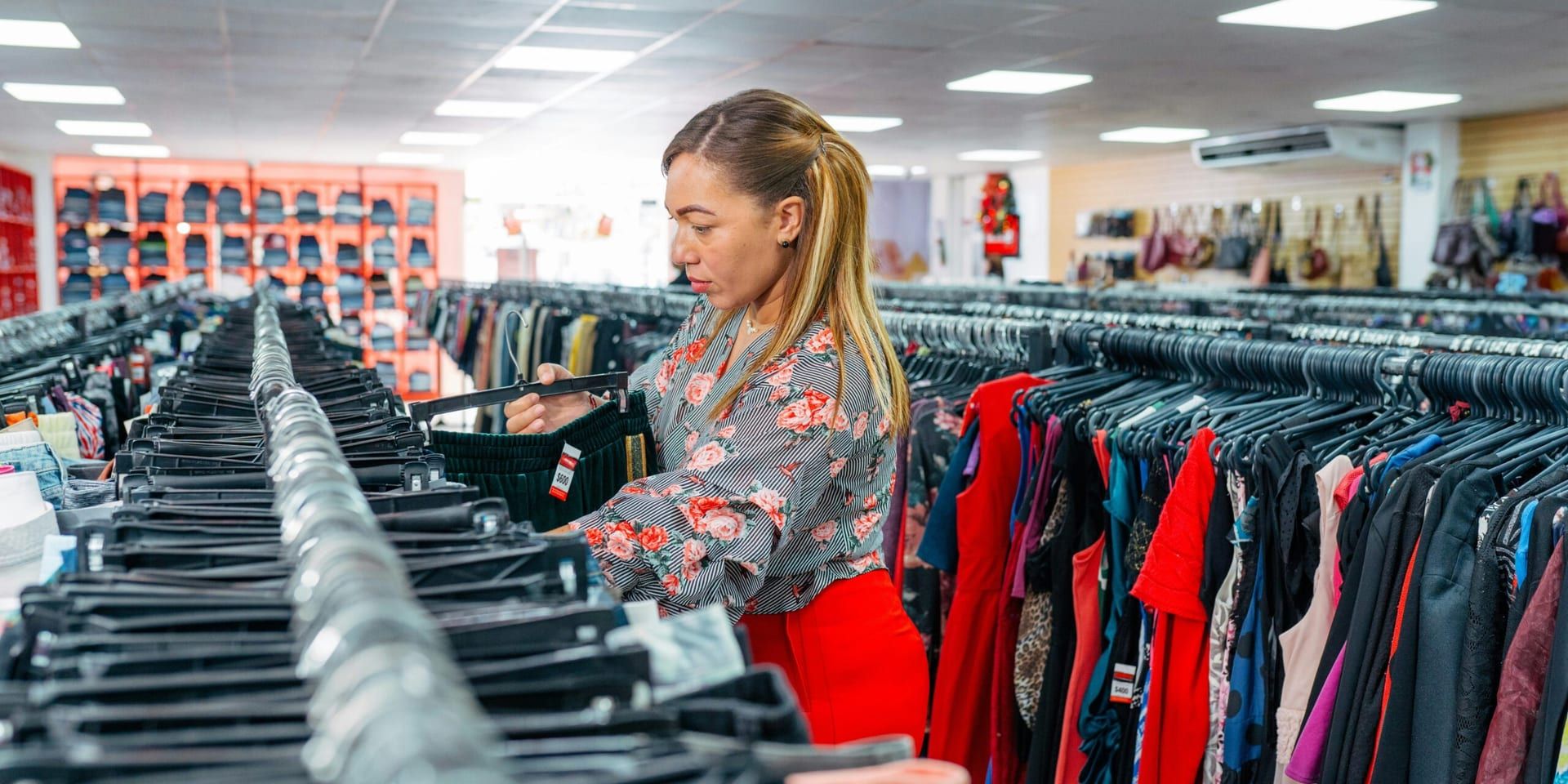
Consumers today are more cost-conscious than ever, prioritizing private label and affordable options over luxury brand names. This preference for value-driven fashion is reshaping retail strategies, as shoppers seek products that balance affordability and quality. Retailers are adjusting by emphasizing cost-effective apparel lines that appeal to a diverse audience while retaining brand loyalty.
Data-Driven Personalization
Retailers are increasingly using data and artificial intelligence to meet consumer desires for personalized experiences. By implementing omnichannel strategies, companies can offer tailored recommendations and shopping experiences unique to each customer. This approach allows for a deeper connection with consumers and ensures product offerings closely align with individual tastes rather than broad-market trends.
Such innovations signify a departure from traditional retail tactics like big seasonal collections or “drop culture.” Instead, brands are focusing on smaller, more frequent releases. By relying on demand forecasting and improved inventory management, they can better align stock with actual consumer needs, reducing waste and promoting sustainability.
Frequent Releases Attract Shoppers
This personalized retail model gives consumers a wider array of affordable clothing options that match their personal styles and needs. As fashion becomes more inclusive, shoppers can find budget-friendly offerings that are still trendy. The regular introduction of new collections keeps the shopping experience vibrant, ensuring that consumers always have fresh choices available.
The shift also pushes brands to adapt or risk falling behind. As more consumers turn toward companies that offer value, convenience, and personalization, traditional giants in the industry must evolve. Those who fail to integrate these modern retail strategies may lose ground to more agile competitors.
Adaptation: Key to Survival
For industry veterans, the key takeaway is clear: adapt to the new demands or face obsolescence. The shift to hyper-personalization and data-driven strategies is not just a trend but a necessary evolution for staying relevant in a rapidly changing marketplace.
The “mass-to-micro” approach marks a significant evolution in fashion retail, emphasizing brand adaptability and consumer-centric strategies. Success in this new paradigm requires a focus on delivering products and experiences that resonate with changing consumer expectations and lifestyles.

Womens Magazine Contributor
Rosa Lindholm
Covers fashion and beauty, following the designers, the labels and the products that earn their place.
This article features partner, contributor, or branded content from a third party. Members of the Womens Magazine editorial staff were not involved in the creation of this content. All views and opinions are those of the contributor alone.