
Texas Voter ID Bill Sparks Concern for Married Women
A proposed Texas voter ID law may disproportionately affect women who have changed their names after marriage or divorce, sparking widespread concern.

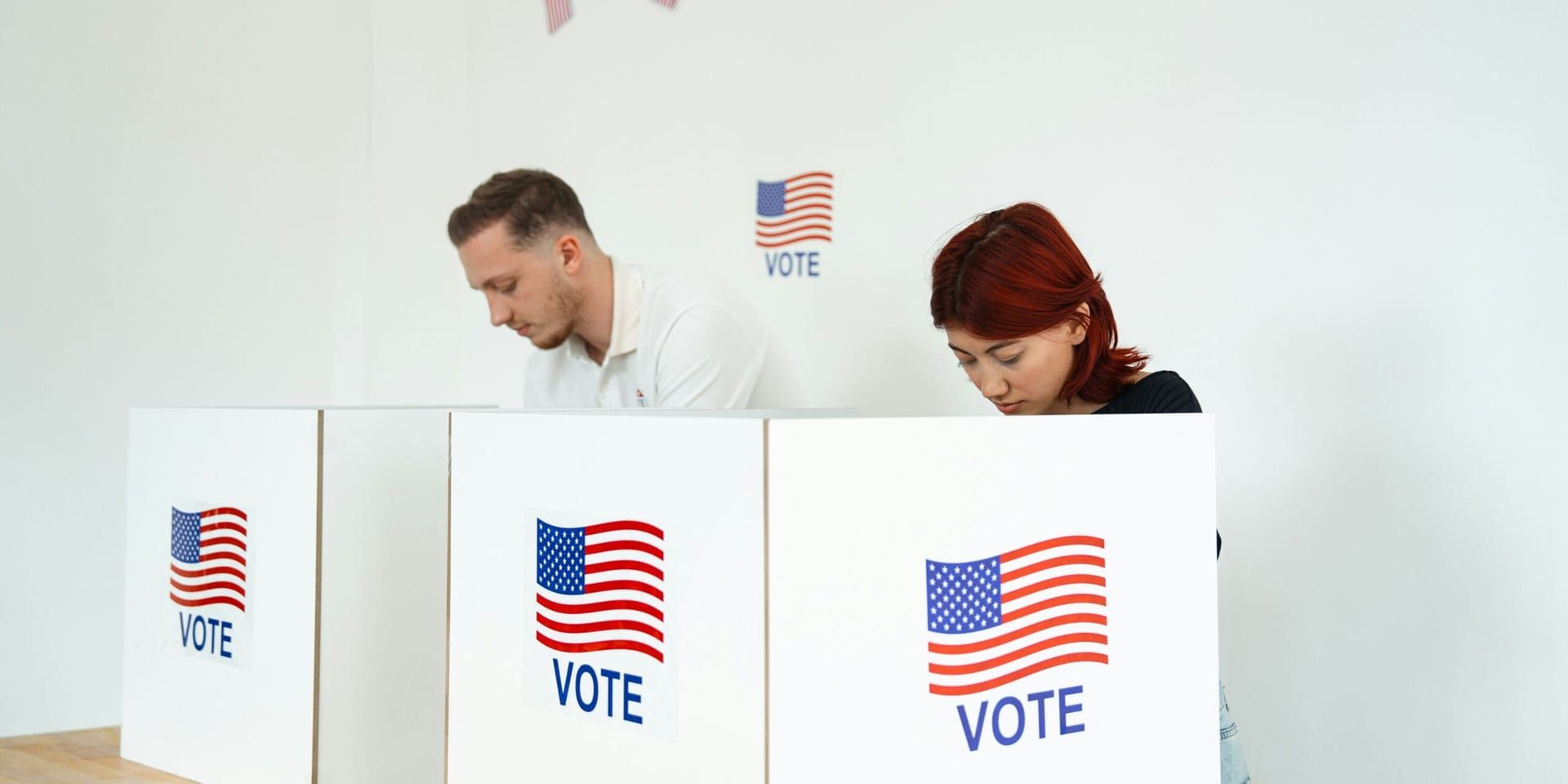
A newly proposed voter ID law in Texas has caused a stir among advocates of voting rights, who argue that the legislation may create significant barriers for married and divorced women. The bill requires voters to present proof of U.S. citizenship, such as a birth certificate or passport, which may be problematic for women who have changed their names.
The proposal is part of ongoing efforts to modify election laws, and although its aim is to prevent voter fraud, critics highlight the practical challenges it poses. They argue that many women, due to name changes, might find discrepancies between their identification documents and voter registration forms, potentially preventing them from voting.
Challenges for Women Facing Name Discrepancies
The requirement for consistent documentation may become an 'administrative nightmare' for women whose legal names differ across documents due to marriage or divorce. This can necessitate updating multiple forms of identification, a process that involves time, effort, and financial resources.
According to Jennifer Lopez, a policy analyst at a Texas civil rights organization, the legislation places an undue burden on women merely for taking a spouse’s last name. Many women, especially those in rural areas or with limited financial resources, may find it challenging to align all their documentation, risking their voter eligibility.
Wider Impact on Vulnerable Populations
The potential impact of the voter ID law extends beyond women. Advocates emphasize that low-income populations, the elderly, and rural residents could also face difficulties due to limited access to necessary documentation and resources.
Dr. Miriam Grant, a political scientist, notes that the law addresses a largely non-existent problem and introduces challenges for individuals less likely to meet the new requirements. The legislation may also disproportionately affect communities of color, who statistically may not possess documents like passports.
Proponents Stress Election Security
Supporters of the proposed law argue that requiring proof of citizenship ensures election integrity, despite the rarity of voter fraud cases. They suggest that tightening ID laws can enhance public trust in the electoral process.
State Senator Brad Harmon, who co-sponsored the bill, believes that the process of correcting name discrepancies is a small price for secure elections. Acknowledging potential challenges, Harmon notes that additional voter support services may be considered to aid compliance.
Continued Debate and Future Implications
As the 2026 elections approach, the proposed bill continues to be a contentious topic. Opponents are actively organizing workshops and legal resources to educate voters about the potential new requirements and their rights.
Several legal actions are anticipated if the bill becomes law, including challenges based on the Voting Rights Act. Meanwhile, organizations are urging voters to verify their registration details and update their documents well ahead of election deadlines to avoid any hindrances to casting their votes.
With the ongoing debate, the conversation about voting access is likely to persist, highlighting the balance between election security and voter accessibility.

Womens Magazine Contributor
Cecily Granger
Covers culture and the conversations shaping women's lives, from the screen and the page to the arguments worth having.
This article features partner, contributor, or branded content from a third party. Members of the Womens Magazine editorial staff were not involved in the creation of this content. All views and opinions are those of the contributor alone.