
Rosemary's Role in Skincare Gains Scientific Validation
Rosemary, a rising star in skincare trends, now has scientific backing for its healing properties, enhancing its status as a natural skincare powerhouse.

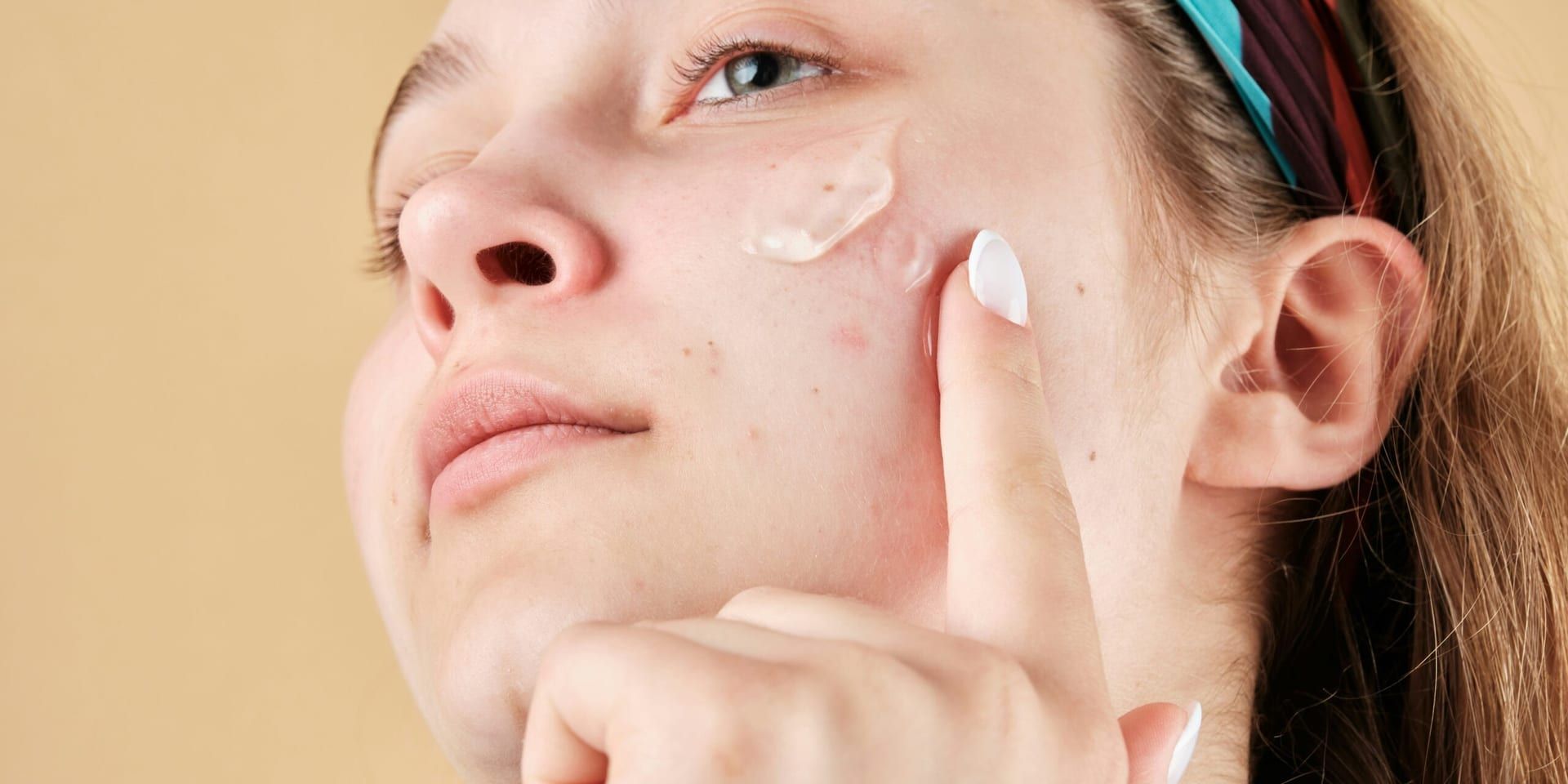
In the dynamic world of skincare, rosemary has emerged as a natural ingredient garnering attention for its potential therapeutic benefits. This trend, fueled by social media, now finds support from the scientific community, thanks to recent research that highlights the plant's promising role in skin health.
Researchers from the University of Pennsylvania School of Medicine have delved into the properties of carnosic acid, a compound found in rosemary. Their study, published in JCI Insight, suggests that this natural ingredient can significantly enhance wound healing and reduce scarring, aligning with many enthusiasts’ claims.
Scientific Insights into Rosemary's Benefits
The study's experiments reveal that carnosic acid influences the body's regenerative processes by activating a specific nerve receptor. This activation suggests improved skin repair mechanisms, potentially leading to faster healing and less noticeable scars. Such findings offer a robust foundation for using rosemary in topical applications, aligning with the demands for natural skincare solutions.
Notably, rosemary has been revered for its antioxidant and anti-inflammatory effects. This new research enriches our understanding of its capabilities, positioning the herb as a key player in modern skincare. The scientific validation supports the anecdotal evidence from users and influencers who have long praised rosemary oil for its ability to enhance skin health.
The Movement Towards Natural Skincare
The interest in rosemary is part of a broader shift towards natural, plant-based beauty products. As consumers increasingly prioritize gentle and effective solutions, rosemary's established use in traditional medicine complements its modern appeal. This study could inspire further exploration of natural compounds in skincare, encouraging innovation within the industry.
Manufacturers are keen to integrate such ingredients into their formulations, which could lead to new products that leverage rosemary's healing attributes. This blend of science and tradition resonates with a growing consumer base eager for holistic beauty solutions.
Bridging Trends and Evidence
The integration of scientific findings with trending beauty products is crucial for maintaining consumer trust. While social media can rapidly elevate a trend, scientific research ensures these products are more than just fleeting fads. This convergence underscores the evolving nature of the skincare sector, where evidence-based practices reinforce product credibility.
As more research emerges, it bridges the gap between popular trends and verified benefits, reassuring consumers about the efficacy of the products they choose. Rosemary's rising popularity is a prime example of this trend-validation cycle.
Future Prospects in Skincare
The validation of rosemary’s benefits heralds a new era in skincare, where natural solutions are increasingly supported by science. As more studies examine the potential of plant-based ingredients, the beauty industry stands poised to develop formulations that marry the best of nature with scientific innovation.
This trend not only opens possibilities for rosemary but also inspires further research into other natural compounds. The future of skincare looks promising, with evidence-backed choices leading to healthier, more radiant skin.
Overall, rosemary's scientific endorsement is a milestone for natural skincare advocates. It exemplifies a successful merger of traditional wisdom and modern science, offering a compelling narrative for the industry's future.

Womens Magazine Contributor
Vivienne Marsh
Covers wellness and working life, with an eye on evidence over fashion and on the careers women are actually building.
This article features partner, contributor, or branded content from a third party. Members of the Womens Magazine editorial staff were not involved in the creation of this content. All views and opinions are those of the contributor alone.