
Designing Spaces to Support Your Nervous System
Lily Riefkohl is revolutionizing interior design with sensory-friendly environments that promote relaxation, focus, and wellbeing.

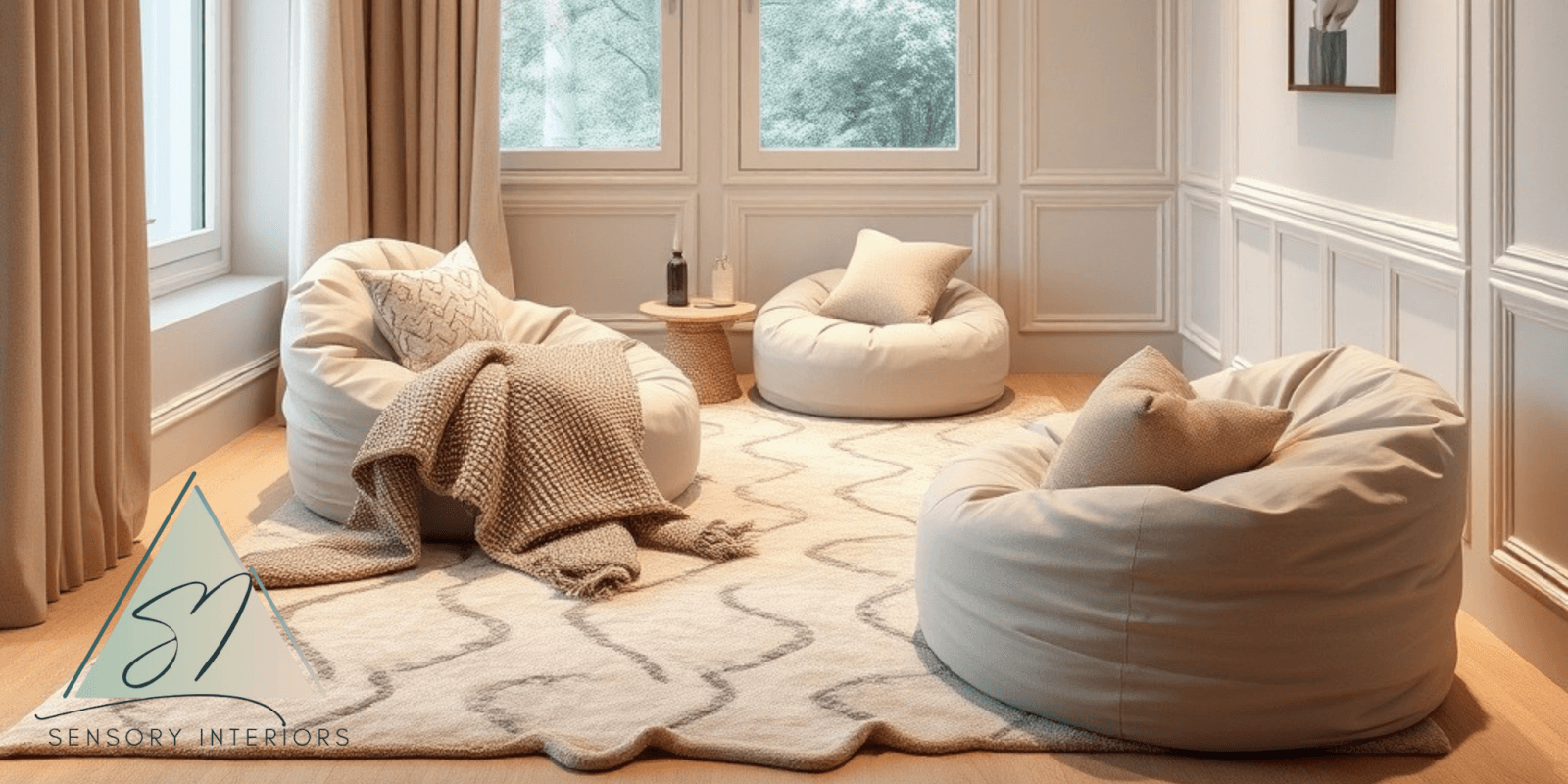
Imagine walking into a space that instantly puts your mind at ease, making you feel calm and focused. This ideal environment is what designer Lily Riefkohl is determined to create through her pioneering work in sensory-friendly design. With her unique approach, she aims to transform everyday spaces into havens that support the human nervous system.
Riefkohl, based in Fort Lauderdale, is on a mission to raise awareness about the impact of our environments on our mental and physical health. She believes that thoughtful design can reduce stress and enhance wellbeing, benefiting everyone regardless of age or neurodivergence.
Understanding Environmental Stress
Many of us experience discomfort in certain environments without understanding why. It could be the harsh lighting, persistent noise, or overwhelming colors that trigger stress responses. Our bodies are continually processing these surroundings, and when they are chaotic, our stress levels can rise.
For those with conditions such as ADHD, autism, or anxiety, these reactions are often intensified. A cluttered, brightly colored room might be a minor annoyance for one person but can be overwhelming for someone with sensory sensitivities. Riefkohl emphasizes that supportive spaces can offer relief to everyone, not just those with a diagnosis.
Riefkohl's Design Epiphany
Riefkohl's journey into sensory design began with a personal experience that changed her professional path. While visiting an ABA therapy clinic, she noticed the overwhelming colors and clutter, realizing the impact such environments could have on children receiving treatment. This moment inspired her shift from traditional interior design to creating spaces that cater to sensory needs.
She discovered that many therapeutic settings, designed with good intentions, inadvertently hindered the very progress they hoped to support. By using muted tones and natural materials, Riefkohl crafts spaces that feel calming and conducive to relaxation and focus.
Revolutionizing Pediatric and Therapy Spaces
One of the key insights Riefkohl shares is the overstimulating effect of primary colors, often used in pediatric spaces and therapy clinics. While these hues are thought to engage children, they can create a stressful environment for those with sensory sensitivities.
By opting for softer color palettes and thoughtful design elements, Riefkohl transforms these environments into places where children can thrive rather than just cope. Her approach replaces the sensory chaos with environments that promote healing and focus.
Expansion Beyond Clinical Settings
While Riefkohl's work began in therapy clinics, her vision extends to a broader audience. She has seen firsthand how sensory-informed design improves lives, not only for children with autism but also for families dealing with ADHD, anxiety, and PTSD.
Sensory Interiors, her company, is now expanding its reach, offering design solutions that make homes and workplaces supportive and calming. Riefkohl believes that everyone deserves a space that feels like a sanctuary, enhancing everyday life.
A Vision for the Future of Design
As more people recognize the importance of environments that cater to our sensory needs, Riefkohl's approach to design is gaining traction. Families and businesses are beginning to question how their spaces can foster wellbeing and productivity.
Riefkohl's vision is to make sensory-informed design the standard, ensuring that every space is a supportive environment. By prioritizing the sensory experience, she aims to create a world where everyone can feel grounded and at ease.
If you're interested in learning more about creating sensory-friendly spaces, visit Sensory Interiors online to explore how these principles can be integrated into your home or workplace.

Womens Magazine Contributor
Vivienne Marsh
Covers wellness and working life, with an eye on evidence over fashion and on the careers women are actually building.
This article features partner, contributor, or branded content from a third party. Members of the Womens Magazine editorial staff were not involved in the creation of this content. All views and opinions are those of the contributor alone.